
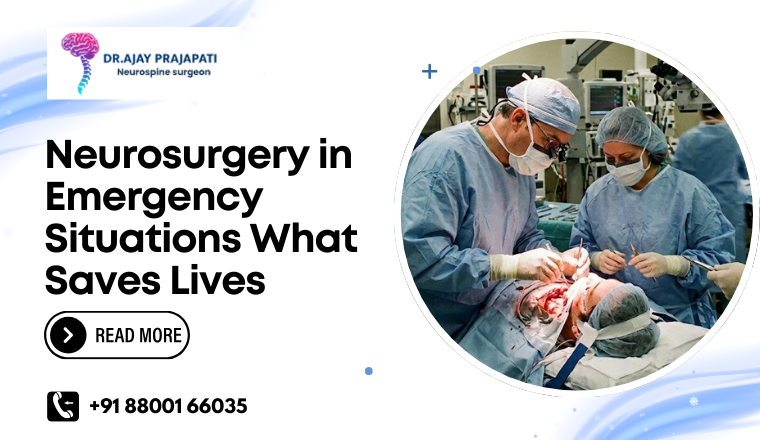
Neurosurgery in Emergency Situations: What Saves Lives and Why Time Matters
Introduction
When it comes to the brain and spine, every second counts. A sudden accident, stroke, or severe headache can quickly turn into a life-threatening emergency. In such moments, the skill and speed of a specialist can mean the difference between recovery and permanent damage. That is why reaching the Best neurosurgeon in Noida during emergencies is critical for timely, life-saving intervention.
Neurosurgical emergencies are intense, unpredictable, and emotionally overwhelming—not just for patients, but for families too. Understanding what happens in these situations can help you act faster and smarter.
Common Neurosurgical Emergencies
Neurosurgical emergencies usually involve sudden damage to the brain, spine, or nerves. Some of the most common include:
1. Traumatic Brain Injury (TBI)
Road accidents, falls, or head trauma can cause bleeding inside the skull. Blood accumulation increases pressure on the brain, which can quickly become fatal if not treated immediately.
2. Brain Hemorrhage (Stroke)
A burst blood vessel in the brain causes internal bleeding. Immediate surgical intervention may be required to relieve pressure and prevent brain damage.
3. Spinal Cord Injury
Severe accidents can compress or damage the spinal cord, leading to paralysis or loss of sensation. Early surgical decompression improves survival and recovery chances.
4. Brain Tumor with Sudden Swelling
Some tumors can cause rapid swelling, seizures, or unconsciousness, requiring emergency surgery.
In cities like Noida, access to advanced imaging and surgical care has significantly improved emergency outcomes.
Warning Signs That Demand Immediate Attention
Never ignore these symptoms:
- Sudden severe headache (“worst headache of life”)
- Loss of consciousness
- Persistent vomiting after head injury
- Seizures
- Sudden weakness on one side of the body
- Slurred speech
- Loss of bladder control after trauma
If these occur, urgent evaluation by the Best neurosurgeon in Noida can save precious brain function and prevent complications.
What Happens in an Emergency?
When a patient reaches the hospital:
Step 1: Rapid Assessment
Doctors perform a neurological examination to check reflexes, pupil response, strength, and consciousness level.
Step 2: Immediate Imaging
CT scans or MRIs identify bleeding, fractures, swelling, or clots.
Step 3: Life-Saving Surgery (If Required)
The Best neurosurgeon in Noida may perform procedures such as:
- Craniotomy (removing part of the skull to relieve pressure)
- Hematoma evacuation (removal of blood clot)
- Spinal decompression surgery
- Emergency tumor removal
These procedures are often performed within the “golden hour” — the first critical hour after injury.
The Role of Technology in Saving Lives
Modern emergency neurosurgery uses:
- Advanced neuronavigation systems
- High-powered surgical microscopes
- Intraoperative monitoring
- ICU life-support systems
These tools allow the Best neurosurgeon in Noida to operate with extreme precision, minimizing risks and improving survival rates.
Why Speed Is Everything
Brain cells begin to die within minutes of oxygen deprivation. Delayed treatment can lead to:
- Permanent paralysis
- Memory loss
- Speech impairment
- Coma
- Death
Emergency neurosurgery is not just about surgery—it’s about fast coordination between ambulance teams, emergency physicians, radiologists, ICU specialists, and the best neurosurgeon in Noida.
The faster the response, the better the outcome.
Human Side of Emergency Neurosurgery
Behind every emergency case is a family waiting outside the operating theatre, holding onto hope. Neurosurgeons make rapid, high-stakes decisions under immense pressure. Their training prepares them to remain calm, focused, and precise—even in life-or-death situations.
Many patients who undergo timely emergency surgery return to normal life—walking, talking, working, and smiling again. These recoveries are powerful reminders that immediate expert intervention truly saves lives.
Recovery After Emergency Neurosurgery
Life-saving surgery is only the beginning. Recovery may include:
- Intensive care monitoring
- Physiotherapy
- Speech therapy
- Neuro-rehabilitation
- Emotional counseling
With proper follow-up care from the Best neurosurgeon in Noida, patients often regain strength and independence over time.
When Should You Seek Immediate Help?
Call emergency services immediately if someone:
- Suffers a severe head injury
- Shows stroke symptoms
- Becomes unconscious
- Has sudden paralysis
- Experiences uncontrolled seizures
Never wait for symptoms to “improve on their own.” Early expert intervention dramatically improves survival.
Conclusion
Neurosurgical emergencies are unpredictable and frightening, but modern medicine has made remarkable progress. Rapid diagnosis, advanced technology, and the expertise of the Best neurosurgeon in Noida together form a powerful defense against life-threatening brain and spine conditions.
In emergencies, time is brain. Acting quickly can save not just a life, but the quality of that life.
FAQs
1. What is the golden hour in brain injury?
The first hour after injury is when treatment is most effective.
2. Can brain bleeding be treated without surgery?
Small bleeds may be monitored; large ones often require surgery.
3. Is spinal cord injury always permanent?
Not always—early surgery improves recovery chances.
4. How long does emergency brain surgery take?
Usually 2–6 hours, depending on complexity.
5. Can patients fully recover after emergency neurosurgery?
Many do, especially with early treatment and rehabilitation.